Why Server Monitoring Matters More Than Ever in 2026
Downtime costs businesses an average of $5,600 per minute. Learn why proactive server monitoring is no longer optional and how to build a resilient infrastructure.
Insights on monitoring, incident management, and keeping your infrastructure reliable.

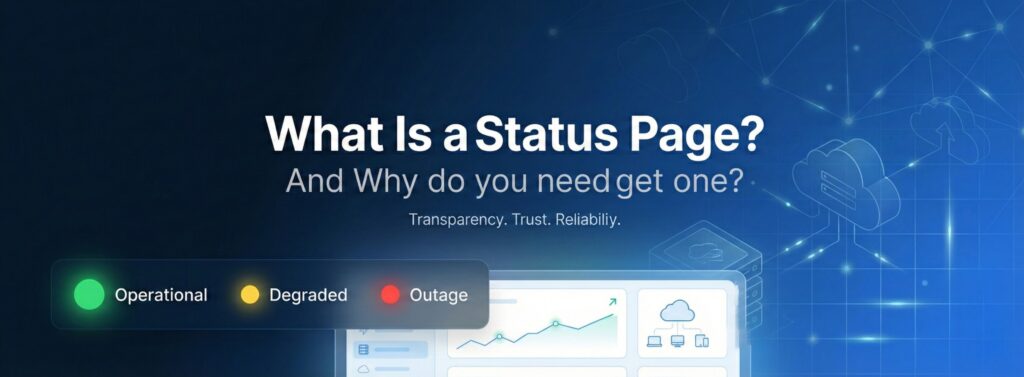
A status page is essential for building trust, reducing support tickets, and communicating outages transparently. Learn how status pages work, why modern online businesses need them, and how they improve customer experience even during downtime.

Learn how to automate common server provisioning tasks using Python, from installing packages to configuring services.

YAML is the backbone of modern infrastructure configuration. Learn patterns for Docker Compose, Kubernetes, and CI/CD pipelines.

Create a minimal JavaScript SDK to track errors, performance metrics, and custom events from your frontend application.

Expired SSL certificates cause embarrassing outages for even the largest companies. Here are 7 battle-tested practices to keep your certificates in check.

Monitoring from a single location gives you a dangerously incomplete picture. Learn why distributed monitoring is essential for accurate uptime data.

Too many alerts is worse than too few. Learn how intelligent alert routing, escalation policies, and root cause analysis reduce noise and improve response times.

Cron jobs fail silently. No error page, no user complaint — just corrupted data or missing reports discovered days later. Here's how to fix that.

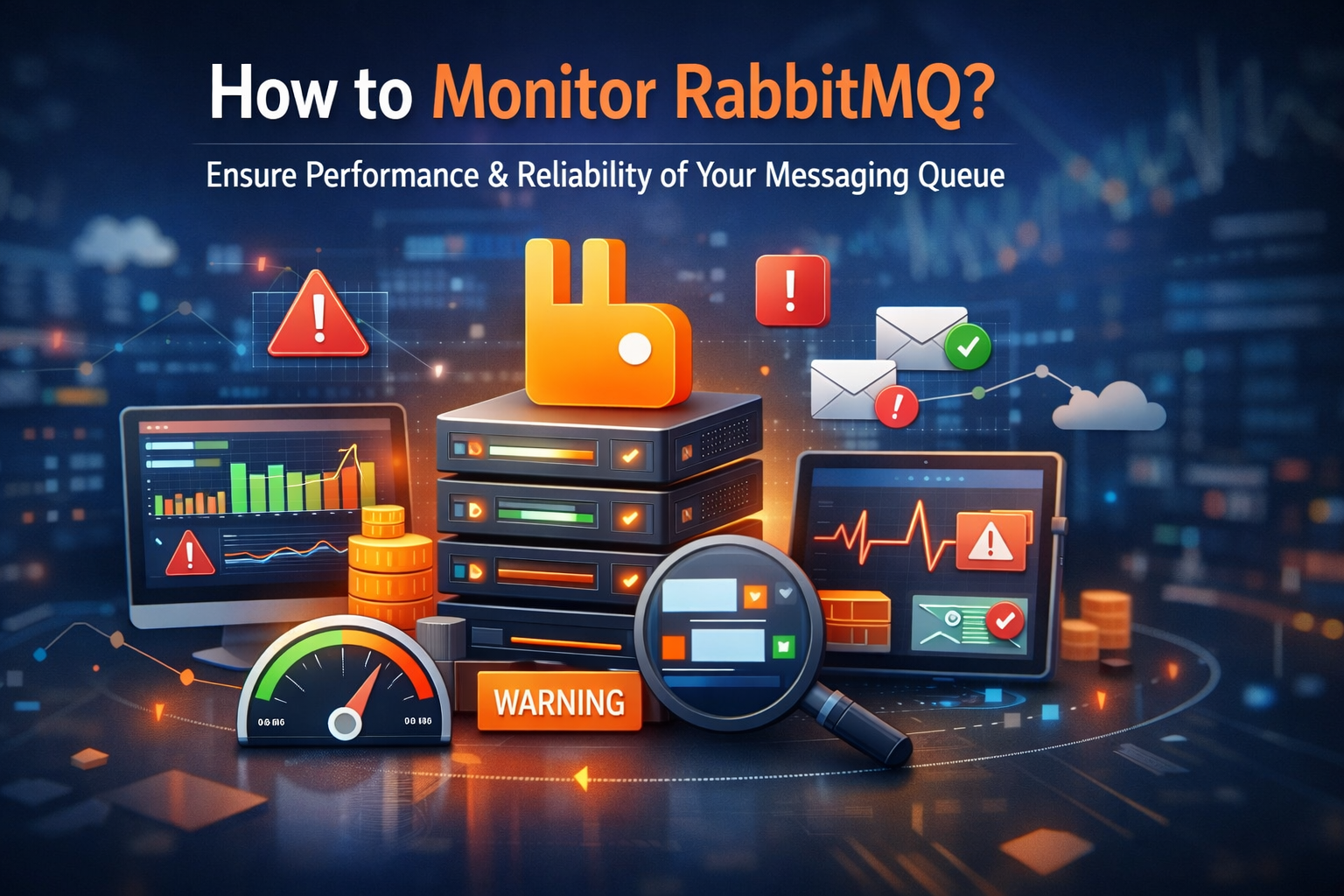
RabbitMQ sits at the center of modern asynchronous systems, but when it struggles, the symptoms appear everywhere else. This guide explains which metrics matter, how failures develop in production, and how experienced teams detect trouble before backlogs impact customers.